
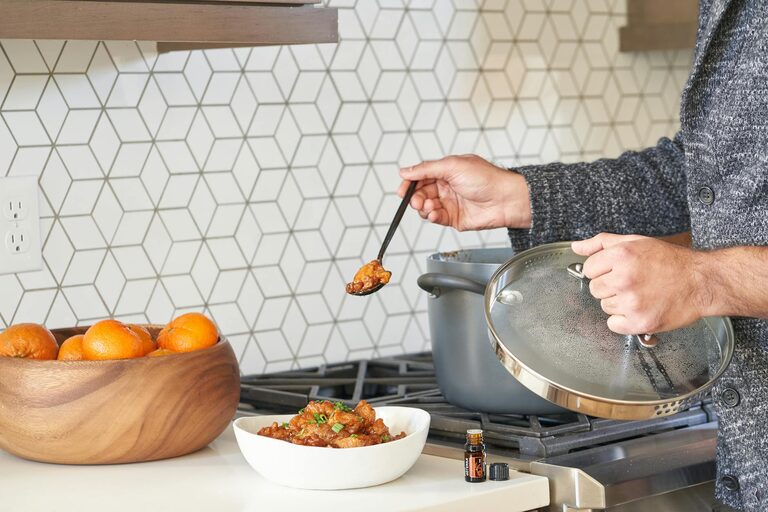
What Is a Slow Cooker and Why Use One?
A slow cooker, also known as a crockpot, is a countertop kitchen appliance designed to cook food slowly over several hours. It uses low, steady heat to simmer ingredients gently, making it perfect for soups, stews, roasts, and more.
Using a slow cooker has many benefits:
– Convenience: Set it and forget it. Prepare meals in the morning and come home to fully cooked dishes.
– Flavor: Slow cooking allows flavors to develop deeply.
– Tenderness: Tough cuts of meat become tender and juicy.
– Energy efficient: Uses less electricity than an oven.
– Healthy cooking: Requires less oil and retains nutrients.
If you’re new to slow cooking, this guide will help you get started confidently.
Choosing the Right Slow Cooker
Before you begin, consider these factors when selecting a slow cooker:
– Size: Slow cookers come in various sizes, typically from 1.5 to 8 quarts. For a small family, 3–4 quarts is ideal. Larger families or meal prep may require 6–8 quarts.
– Shape: Round cookers suit soups and stews, while oval shapes are great for roasts and whole chickens.
– Manual vs. Digital: Digital models offer timers and automatic warming modes, while manual ones have simple low/high settings.
– Removable insert: Look for a ceramic or stoneware insert that’s easy to clean and microwave safe.
Slow Cooker Basics: How to Use It
Step 1: Prepare Your Ingredients
Chop vegetables, measure spices, and trim meat as needed. Many recipes call for layering ingredients—hard vegetables like carrots or potatoes at the bottom, meats on top, and liquids to cover everything.
Step 2: Layering Is Important
Place dense vegetables or root veggies at the bottom because they need more heat. Next, add meat, then lighter vegetables or grains.
Step 3: Add Liquid
Slow cookers need some liquid to create steam for cooking. Typical liquids include broth, water, sauces, or canned tomatoes. Follow your recipe’s guidelines carefully.
Step 4: Choose the Cooking Time and Setting
Most slow cookers have at least two heat settings: Low and High.
– Use Low for 6–10 hours for meals like stews or roasts.
– Use High for 3–5 hours when time is tight.
Avoid opening the lid during cooking—each opening can add 15–30 minutes to the cooking time.
Step 5: Finish and Serve
Once cooked, check tenderness, seasoning, and adjust if needed. Some recipes suggest adding delicate herbs or dairy at the end to preserve flavor.
Easy Slow Cooker Meal Ideas for Beginners
Here are a few simple recipes to try:
1. Classic Beef Stew
– Brown 2 pounds of beef stew meat in a skillet.
– Layer in slow cooker with chopped potatoes, carrots, celery, onion.
– Add 4 cups beef broth, salt, pepper, and thyme.
– Cook on low for 8 hours.
2. Slow Cooker Chili
– Brown one pound of ground beef or turkey.
– Add to cooker with canned tomatoes, beans, onion, chili powder, cumin.
– Cook on low for 6 hours.
3. Chicken and Vegetables
– Place chicken thighs on bottom.
– Add chopped potatoes, carrots, onion.
– Pour in 1 cup chicken broth and garlic.
– Cook on high for 4 hours.
4. Vegetarian Lentil Soup
– Combine lentils, diced tomatoes, carrots, celery, onion, vegetable broth.
– Add oregano, bay leaf, salt.
– Cook on low for 6–8 hours.
Tips for Slow Cooker Success
– Avoid overfilling: Fill your slow cooker between half and three-quarters full for best results.
– Don’t skip browning: Searing meat before adding can create richer flavors, but isn’t always necessary.
– Use fresh herbs at the end: Dried herbs work better during cooking; add fresh herbs near the end to keep their brightness.
– Thicken sauces later: Remove the lid during the last 30 minutes to reduce excess liquid or stir in thickening agents like cornstarch slurry.
– Layer ingredients properly: Hard vegetables on the bottom, meats and delicate veggies on top.
Cleaning and Caring for Your Slow Cooker
– Let the insert cool before washing.
– Soak any stuck-on food in warm, soapy water.
– Most inserts are dishwasher safe—check your manual.
– Clean the lid and base carefully, wiping the heating base with a damp cloth.
– Store with the lid off to prevent odors.
Final Thoughts
Slow cookers are fantastic tools for busy people, beginners, and anyone who enjoys easy home-cooked meals with minimal fuss. Once you get comfortable with the basics, the possibilities are endless—from holiday roasts to healthy vegetarian dishes. Start with simple recipes, experiment with flavors, and enjoy meals that come together with little effort.
Happy slow cooking!