
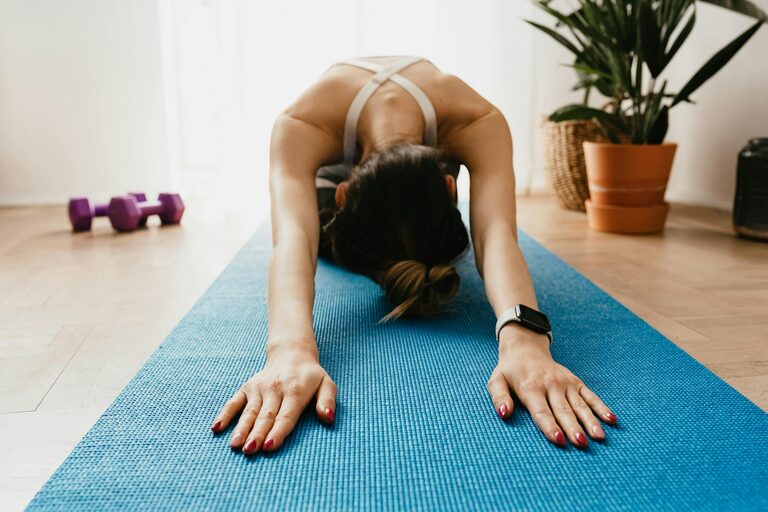
Stretching is a simple yet powerful way to improve your physical health and promote relaxation. Whether you’re new to fitness or just looking to add gentle movement to your daily routine, stretching at home can be a convenient and enjoyable practice. In this beginner’s guide, we’ll explore the benefits of stretching, basic techniques, and a step-by-step routine you can follow in the comfort of your own space.
Why Stretching Matters
Stretching is more than just a warm-up or cool-down for workouts. It offers several benefits that can enhance your overall quality of life:
– Improves flexibility: Regular stretching helps lengthen your muscles and increase your range of motion.
– Reduces muscle tension: It can relieve tightness caused by sitting or repetitive movements.
– Enhances circulation: Stretching promotes blood flow to your muscles, which supports recovery and energy.
– Boosts relaxation: Stretching encourages mindfulness and relaxation, reducing stress and anxiety.
– Prevents injury: Flexible muscles and joints are less prone to strains and injuries.
Types of Stretching
Before starting, it’s helpful to know the two main types of stretching:
Dynamic Stretching
Dynamic stretches involve active movements that gently take your joints through their full range of motion. These are ideal as a warm-up to prepare your body for activity. Examples include leg swings, arm circles, and torso twists.
Static Stretching
Static stretches involve holding a stretch in one position for 15 to 60 seconds. This type is best for cooling down or improving flexibility after your muscles are warmed up.
For beginners stretching at home without intense workouts, static stretching is a great place to start.
Getting Ready: Tips for Safe Stretching
To make your stretching routine effective and safe, keep these tips in mind:
– Warm up first: Stretching cold muscles can cause injury. Spend 5 minutes walking or doing gentle movement before stretching.
– Go slow: Avoid bouncing or jerking movements during stretches.
– Listen to your body: Stretch to the point of mild tension—not pain.
– Breathe: Steady breathing improves relaxation and oxygen flow.
– Be consistent: Stretching regularly (3-5 times per week) offers the best results.
A Simple Beginner’s Stretching Routine
Here’s a straightforward sequence you can try at home. Aim to hold each stretch for 20-30 seconds and repeat 2-3 times.
1. Neck Stretch
– Sit or stand with a straight spine.
– Gently tilt your head toward your right shoulder until you feel a stretch in the left side of your neck.
– Hold, then switch sides.
2. Shoulder Stretch
– Bring your right arm across your chest.
– Use your left hand to press gently on your right arm, feeling the stretch in your shoulder.
– Hold, then switch arms.
3. Triceps Stretch
– Raise your right arm overhead and bend your elbow, reaching your hand down your back.
– Use your left hand to gently push your right elbow.
– Hold, then switch arms.
4. Chest Opener
– Clasp your hands behind your back.
– Straighten your arms and lift your chest while squeezing your shoulder blades together.
– Hold the stretch.
5. Side Stretch
– Stand or sit tall.
– Raise your right arm overhead and lean to the left, feeling a stretch along your right side.
– Hold, then switch sides.
6. Seated Forward Fold
– Sit on the floor with legs extended.
– Hinge at your hips and reach towards your toes, keeping your back flat.
– Stretch the hamstrings and lower back.
7. Hip Flexor Stretch
– Kneel on your right knee with your left foot in front, knee bent at 90 degrees.
– Shift your weight forward slightly to stretch the front of your right hip.
– Hold, then switch sides.
8. Calf Stretch
– Stand facing a wall.
– Place your hands on the wall and step your right foot back, keeping the heel on the floor.
– Lean in to stretch your calf muscle.
– Hold, then switch sides.
Tips for Creating a Comfortable Stretching Space
You don’t need much to start stretching at home, but a few helpful items include:
– A yoga mat or soft surface for comfort
– Loose, comfortable clothing
– Water nearby to stay hydrated
– A quiet, well-lit area where you won’t be disturbed
Tracking Your Progress
As you continue, you may notice increased flexibility, less stiffness, and improved posture. Consider keeping a simple journal to track which stretches feel good and how your body responds over time.
When to Seek Professional Guidance
If you experience pain during stretching or have health conditions affecting your muscles or joints, consult a healthcare provider or a certified fitness professional. They can help tailor a safe and effective stretching routine for you.
Final Thoughts
Stretching is a wonderful habit that can improve your mobility, ease tension, and bring a calming moment to your day. Starting with small steps at home is easy and rewarding. Remember to be patient with your body and enjoy the process of becoming more flexible and relaxed.
Give this beginner’s stretching guide a try, and your body will thank you!