
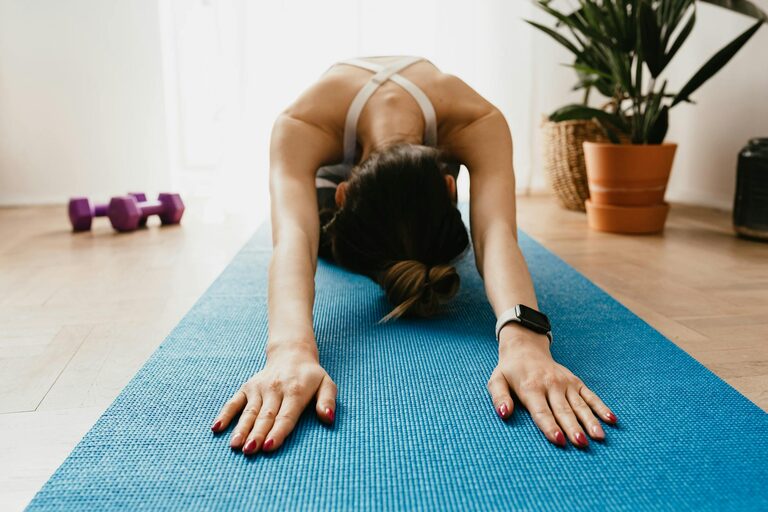
Stretching is a simple yet powerful way to improve your overall health, enhance flexibility, and reduce muscle tension. Whether you spend most of your day sitting at a desk or you’re easing into a fitness routine, learning to stretch properly can make a big difference. The best part? You don’t need any special equipment or a gym membership to get started. This beginner’s guide will walk you through the basics of stretching at home, including key benefits, tips, and easy stretches you can try today.
Why Stretching Matters
Stretching helps maintain the flexibility of your muscles and joints, which naturally declines with age or inactivity. Here are some key benefits:
– Improves flexibility and range of motion: Helps your muscles and joints move more freely.
– Reduces muscle tension and stress: Stretching encourages relaxation and eases tightness.
– Enhances circulation: Blood flow increases, delivering nutrients to muscles.
– Prevents injuries: Warm muscles are less prone to strains or sprains.
– Boosts posture and balance: Regular stretching can correct muscle imbalances.
Getting Started: What You Need to Know
Before you jump into stretches, consider these important tips for a safe and effective routine.
Warm Up Briefly
Stretching cold muscles increases the risk of injury. Do a five-minute warm-up such as walking in place, gentle jogging, or arm circles. This gets your blood flowing and muscles ready.
Stretch Gently and Avoid Pain
Stretch until you feel a mild tension but not pain. If it hurts, ease off. Stretching should feel good and relaxing, not uncomfortable or sharp.
Hold Stretches Long Enough
Aim to hold each stretch for about 20 to 30 seconds. This duration helps your muscles lengthen and adapt. Repeat 2 to 3 times as you feel comfortable.
Breathe Deeply
Don’t forget to breathe slowly and deeply as you stretch. Controlled breathing helps you relax and get the most benefit.
Stretch Both Sides
Make sure to stretch both sides of your body equally to maintain balance and symmetry.
Basic Stretches for Beginners
Here are some easy stretches anyone can do at home, no equipment required.
Neck Stretch
– Sit or stand tall.
– Slowly tilt your head to the right, bringing your ear towards your shoulder.
– Hold for 20–30 seconds, then switch sides.
– This helps relieve neck tension from desk work.
Shoulder Rolls
– Stand or sit with your back straight.
– Roll your shoulders forward slowly in a circular motion 10 times.
– Then reverse, rolling them backward 10 times.
– Great for releasing shoulder stiffness.
Chest Stretch
– Stand tall, clasp your hands behind your back.
– Straighten your arms and gently lift your chest, squeezing your shoulder blades together.
– Hold for 20–30 seconds.
– Helps open your chest and counteracts slouching.
Seated Hamstring Stretch
– Sit on the floor with one leg straight and the other bent.
– Reach toward the toes of your straight leg, keeping your back straight.
– Hold for 20–30 seconds, then switch legs.
– Stretches the backs of your thighs.
Cat-Cow Stretch
– Get on hands and knees on a mat or soft surface.
– Arch your back (cat position), tucking your chin toward your chest.
– Then dip your back downward (cow position), lifting your head and tailbone.
– Repeat slowly 8–10 times.
– Improves spine flexibility and relieves back tension.
Standing Calf Stretch
– Stand facing a wall with one foot forward, the other leg extended behind.
– Lean into the wall, keeping the back heel on the floor.
– Hold for 20–30 seconds, then switch legs.
– Loosens tight calves.
Creating a Routine
Consistency is key to seeing and feeling benefits from stretching. Here’s how you can build a simple daily routine:
– Choose 5–7 stretches targeting different body parts.
– Dedicate 10–15 minutes, ideally once or twice a day.
– Stretch after exercising or as a stand-alone activity.
– Use reminders or schedule stretching sessions to stay on track.
Tips to Stay Motivated
– Play calming music during your routine.
– Stretch in a bright, comfortable space.
– Focus on how good stretching makes you feel.
– Track progress by noting increases in flexibility or reduced stiffness.
When to Avoid Stretching or Seek Advice
While stretching is broadly safe, be cautious if you have:
– Recent injuries or surgeries
– Chronic pain in joints or muscles
– Specific medical conditions affecting bones or muscles
In such cases, consult a healthcare professional or physical therapist for personalized advice.
Final Thoughts
Stretching at home is an accessible and effective habit that boosts your flexibility, eases tension, and promotes overall well-being. Starting small and being consistent will lead to noticeable improvements. Grab a mat or stretch right on your living room floor, and enjoy the simple pleasure of moving your body freely and comfortably every day.
Happy stretching!