
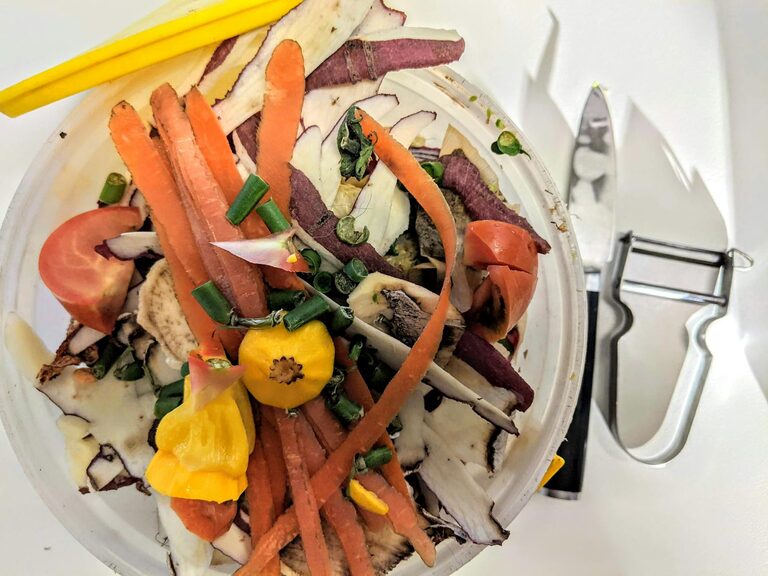
Reducing food waste at home is a smart way to save money, conserve resources, and help protect the environment. Each year, a significant amount of food ends up in the trash due to spoilage or poor planning. The good news is that with some mindful habits and small changes, you can cut down on waste and make the most of the food you buy. In this post, we’ll explore practical methods to reduce food waste in your household.
Understand Why Food Waste Happens
Before tackling the problem, it’s helpful to understand common causes of food waste at home:
– Buying more than you need
– Forgetting food in the fridge or pantry
– Improper storage leading to spoilage
– Throwing away leftovers
– Unfamiliarity with expiration and best-before dates
Knowing these reasons allows you to create solutions tailored to your lifestyle.
Plan Your Meals and Shopping Carefully
One of the most effective ways to avoid waste is to plan ahead. Here are some tips for smarter shopping and meal prepping:
Make a Weekly Meal Plan
Creating a meal plan for the week helps you buy only the ingredients you need. This reduces impulse purchases and minimizes forgotten food.
– List meals for each day
– Check your pantry and fridge beforehand
– Incorporate leftovers into planned meals
Create and Stick to a Shopping List
Write down exactly what you need and resist buying items not on the list. Use apps or paper lists—whichever works best for you.
Shop with Portion Sizes in Mind
Buy quantities that match your household size. For example, avoid large packs of fresh produce if you won’t use them quickly, or consider buying in bulk only if you can preserve or freeze the food.
Store Food Properly to Extend Freshness
How you store food can dramatically affect how long it lasts. Follow these best practices:
Use Clear Containers
Transfer food from packaging to airtight clear containers so you can easily see what’s inside and reduce exposure to air.
Keep Produce Fresh
Some fruits and vegetables last longer when refrigerated, while others do better at room temperature. For example, store berries and leafy greens in the fridge, and keep onions and potatoes in a cool, dark place.
Label and Date Leftovers
Always mark leftovers with the date to ensure they’re eaten within a safe timeframe.
Embrace Leftovers and Creative Cooking
Leftovers provide a great opportunity to reduce waste while enjoying tasty meals.
Plan for Leftovers
Cook larger portions intentionally so you have food for the next day or can freeze for later.
Repurpose Food Scraps
Vegetable peels, stems, and bones can be used to make homemade broth or soups.
Experiment with New Recipes
Search for recipes that use ingredients you have on hand, especially those nearing the end of their shelf life.
Monitor Expiration Dates Wisely
Understanding food labels can help avoid premature disposal.
Best-Before vs. Use-By Dates
– Best-before dates indicate quality, not safety. Food may still be good after this date.
– Use-by dates are about food safety and should be followed closely.
Use your senses—look, smell, and taste—to judge if food is still good.
Compost Food Scraps
Not all food waste is avoidable, but composting is an eco-friendly way to reduce landfill contributions.
– Collect fruit peels, vegetable scraps, coffee grounds, and eggshells.
– Use a compost bin or create a compost heap in your garden.
– Compost improves soil health and reduces methane emissions from landfills.
Tips to Involve the Whole Family
Reducing food waste becomes easier and more effective when everyone in the household participates.
– Encourage family members to help with meal planning.
– Teach children about the value of food and ways to save it.
– Share leftover meals or surplus food with neighbors or friends.
Final Thoughts
Reducing food waste is a win-win for your wallet and the planet. With some planning, smarter shopping, proper storage, and creativity in the kitchen, you can significantly cut down on the food you throw away. Start with one or two tips today and gradually build habits that lead to a more sustainable and waste-free home.
By adopting these simple strategies, you contribute to a healthier environment and enjoy more value from your food purchases. Give them a try and see the positive impact in your home!